Design for Impact
Design is often treated as a layer applied after decisions are made, once features are scoped and engineering is underway. But the strongest companies use design much earlier as a way to reduce risk, increase return, and focus investment where it matters most.
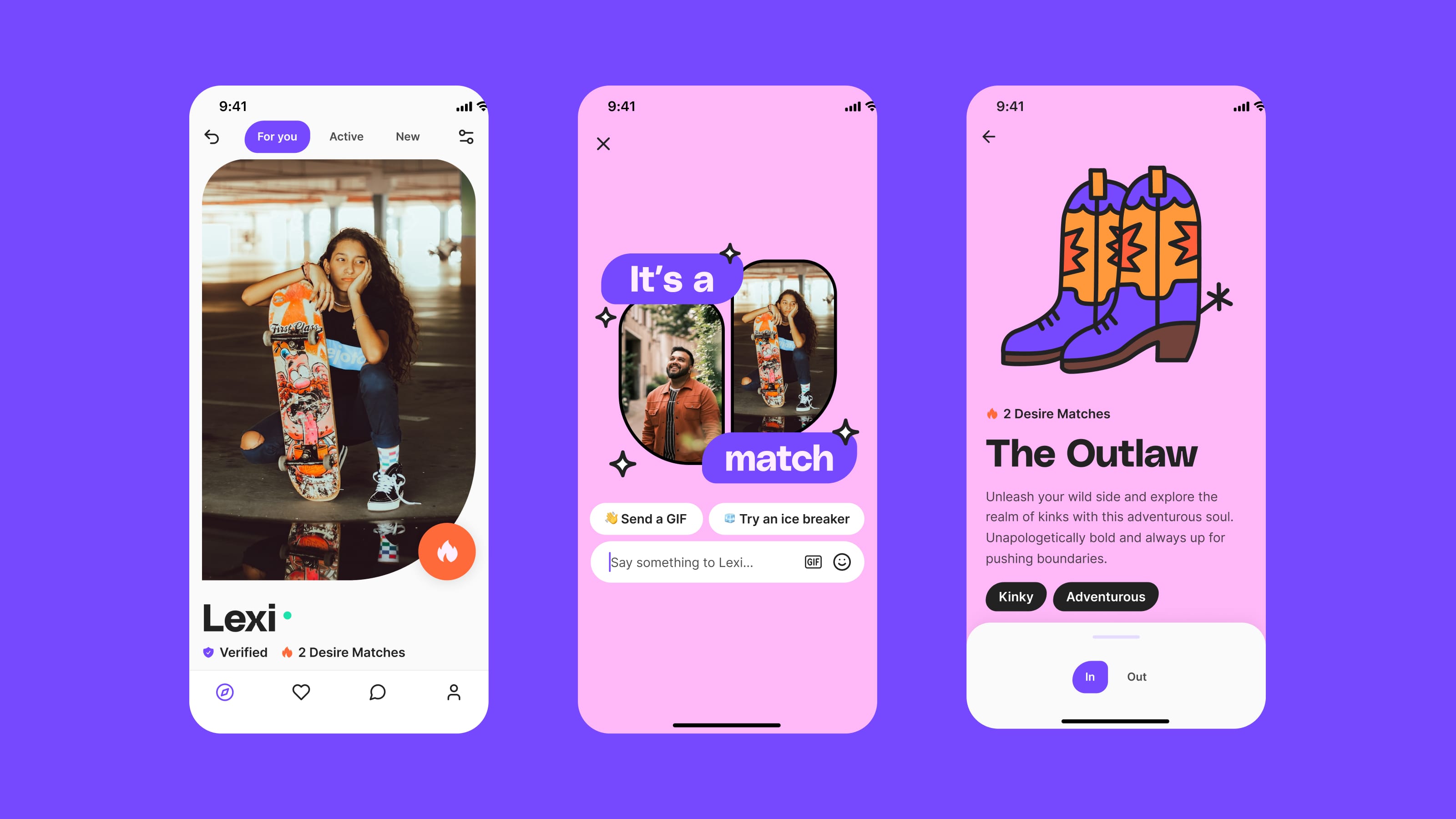
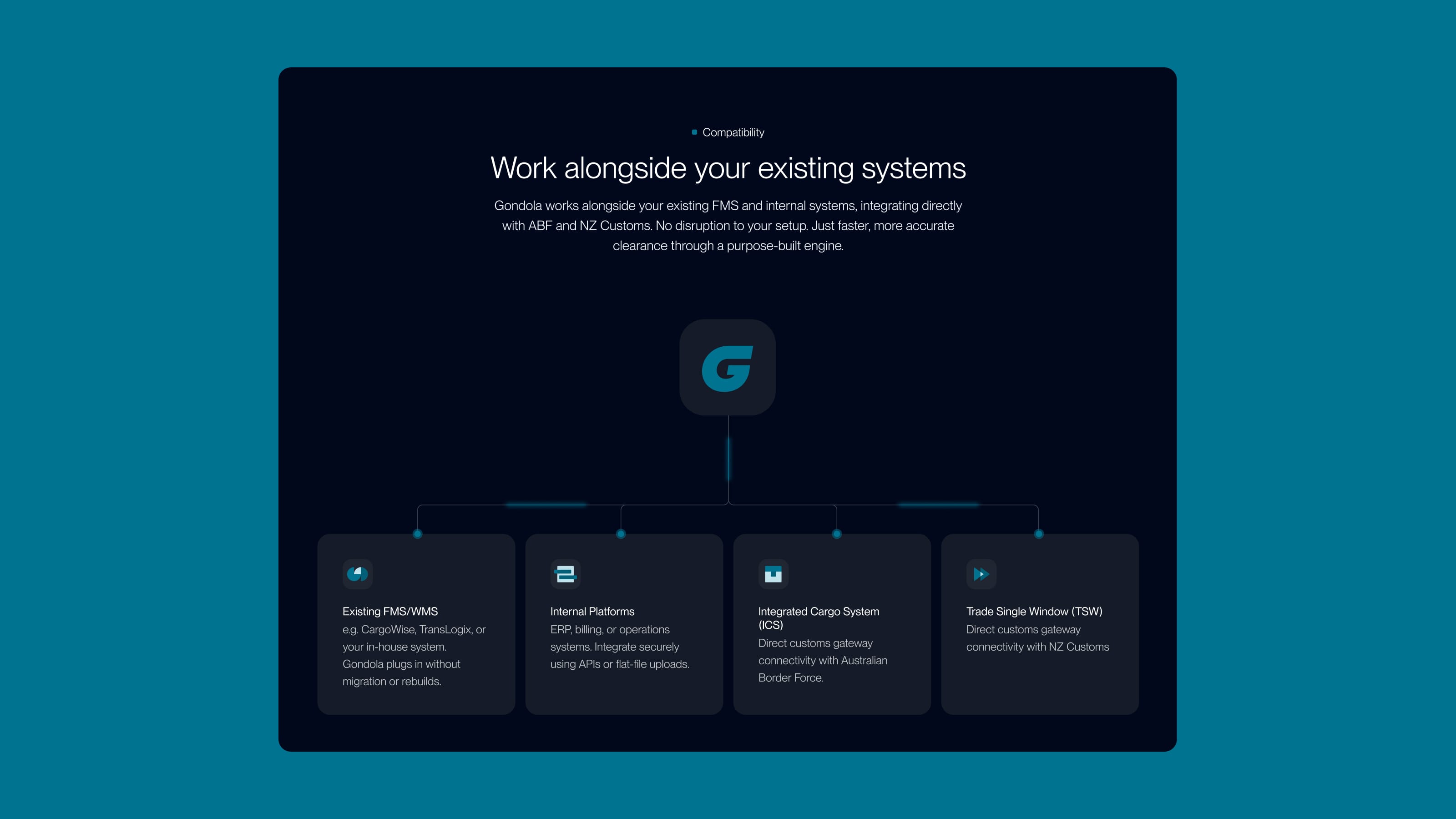
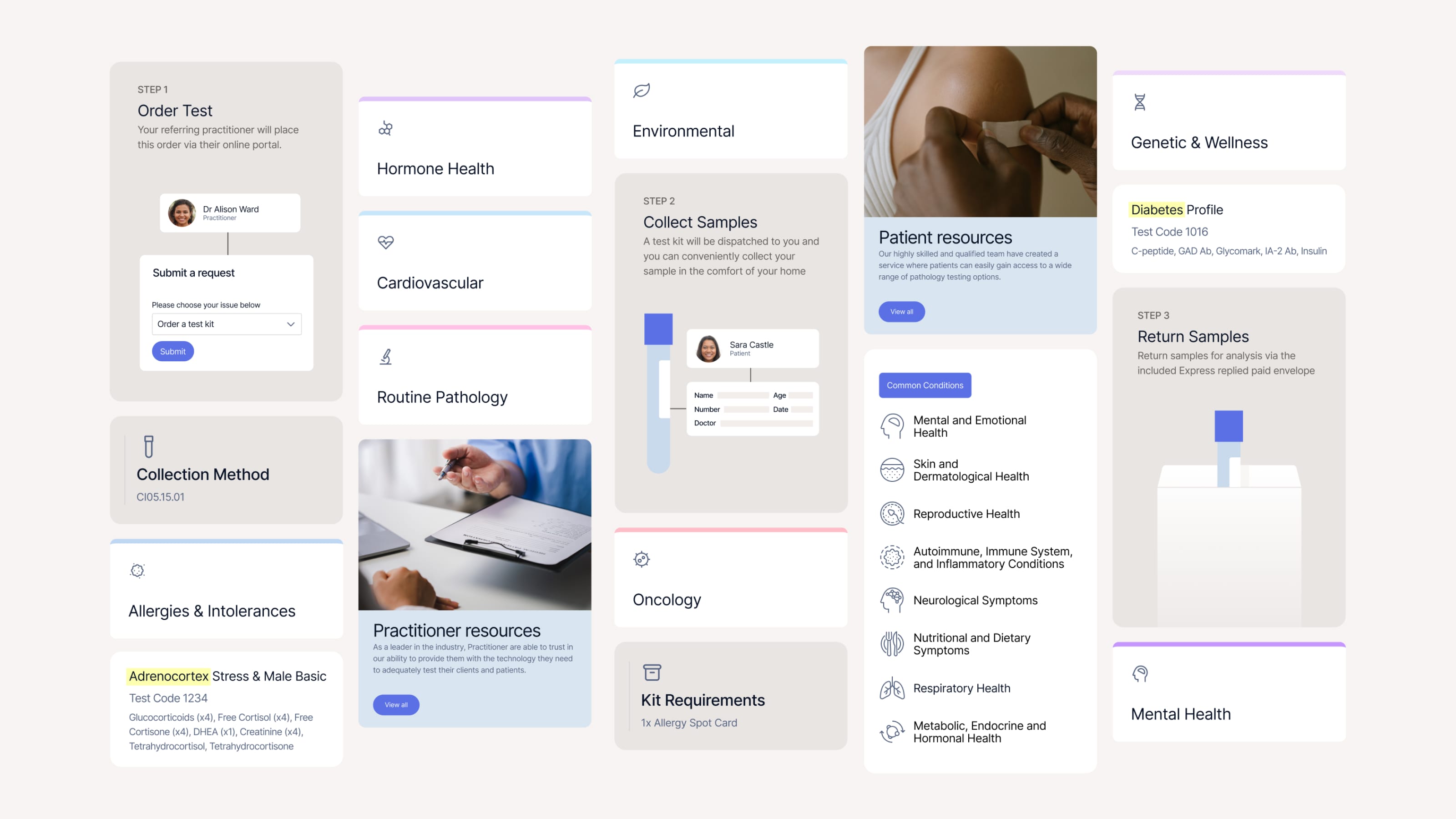
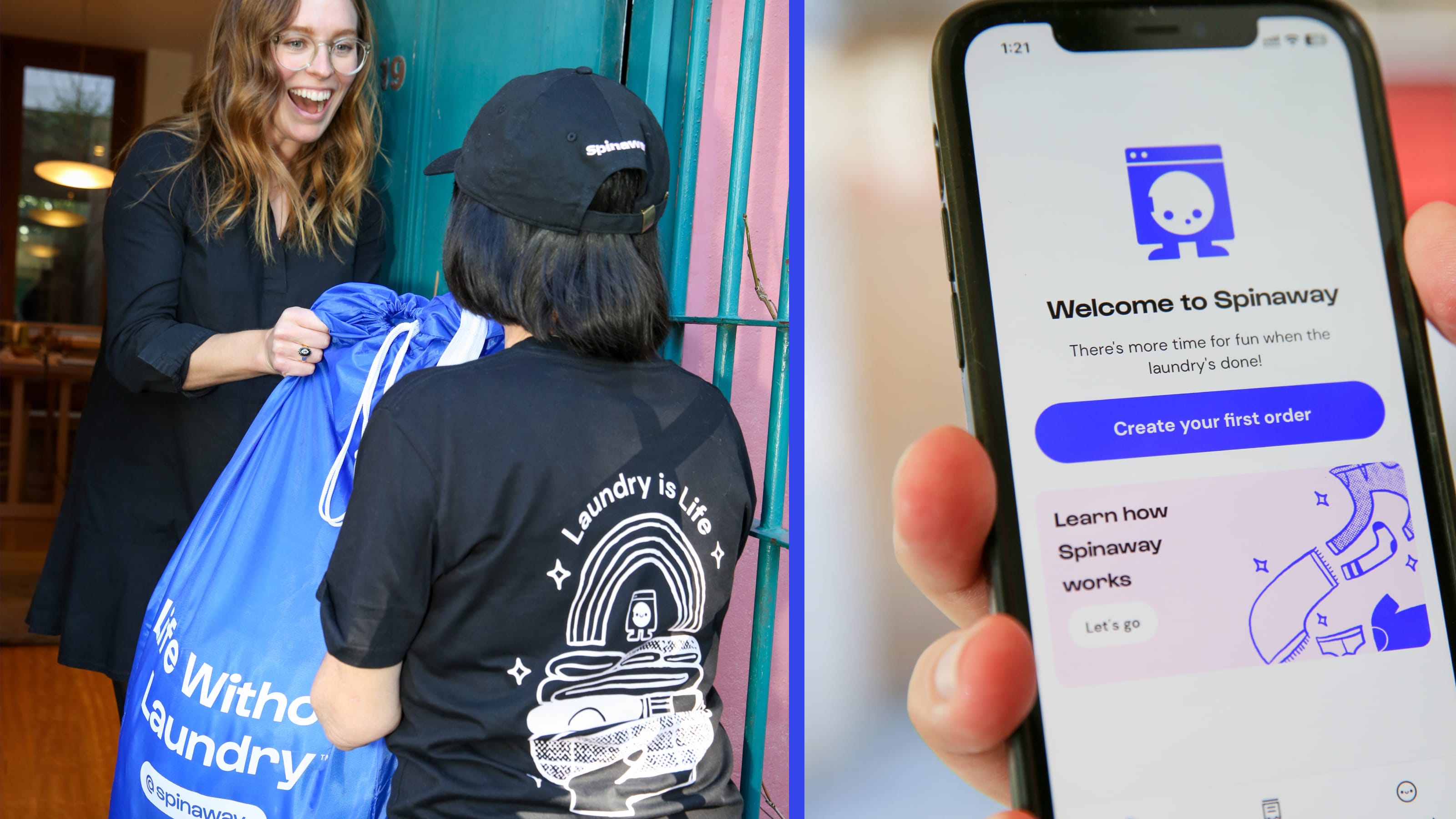
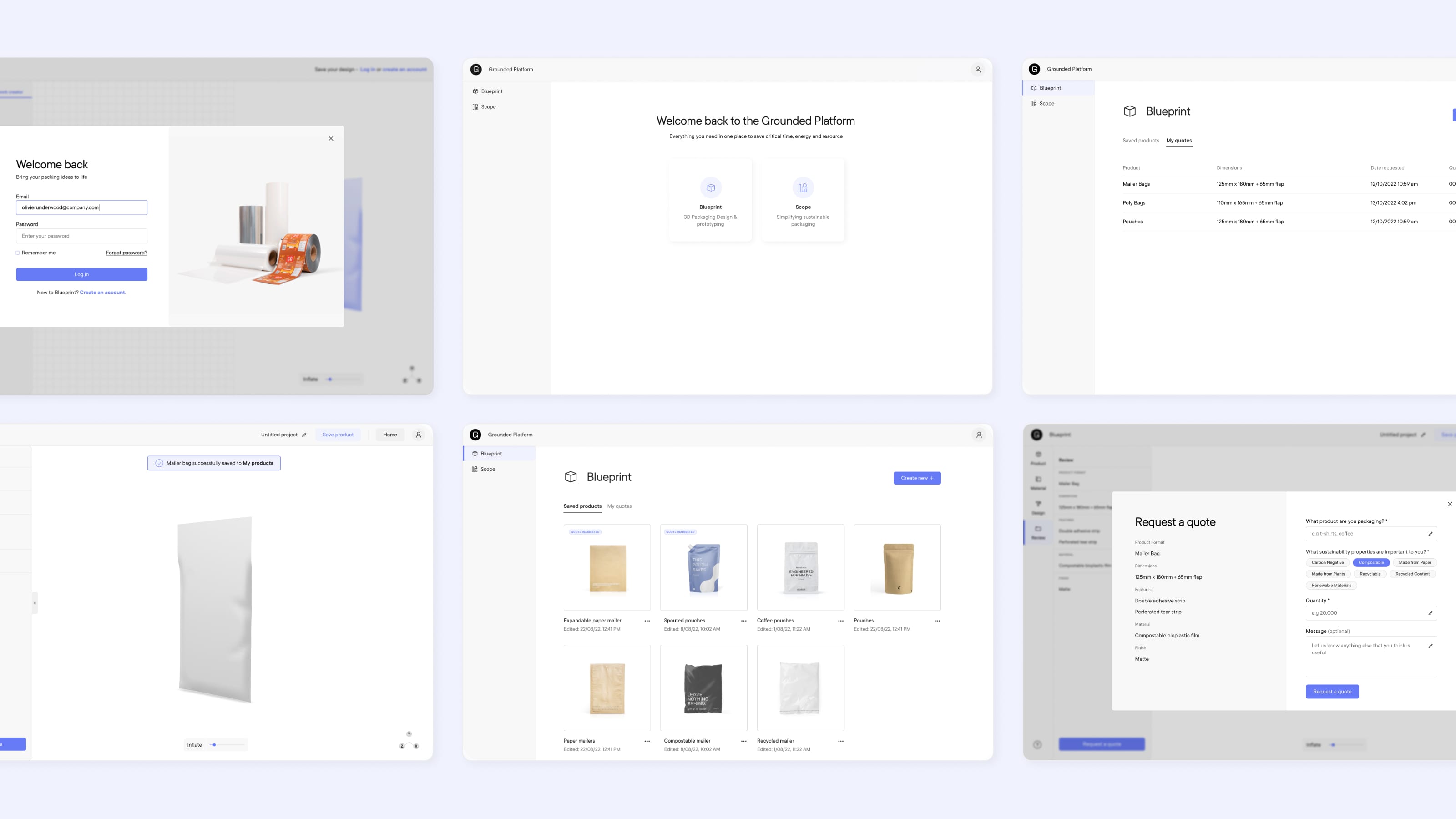
Why is design a powerful tool for business?
A well-known retailer once lost millions in revenue by forcing customers to create an account before checkout.
By changing a single button from register to check out as guest they unlocked an estimated $300 million in additional sales.
This small design decision removed friction at a critical moment, improving conversion without increasing marketing spend, engineering complexity, or headcount.
That wasn’t a visual refresh. It was a strategic intervention grounded in user behaviour.
Design-led optimisation removes friction at key moments in the user journey, turning more visitors into active, paying customers.
Good design reduces friction and builds trust at every touchpoint, keeping users engaged longer and making them far more likely to return, upgrade, and recommend the product to others.
Intuitive interfaces reduce support tickets and operational overhead, freeing your team to focus on growth instead of firefighting.
Consistent, high-quality design signals credibility and care, building the trust that drives loyalty and word-of-mouth.

Design isn’t a nice-to-have. It’s a lever for revenue efficiency and strategic clarity.
Why this matters even more in an AI‑driven world
AI is rapidly changing how products are built. Features can be generated faster, interfaces are easier to replicate, and the barrier to building is collapsing.
Speed alone is no longer a sustainable advantage. As AI lowers the cost of execution, the risk of building the wrong thing increases. In this environment, design becomes more valuable, not less.
Design helps organisations:

Decide where AI genuinely adds value
Not every problem needs AI. Design thinking cuts through the hype to identify where automation genuinely improves the experience, and where it gets in the way.

Create experiences worth copying
The best products are hard to replicate because they’re built around real user insight, not feature lists. Design surfaces what makes your product distinct and doubles down on it.

Move fast, and stay trusted
Speed without intention creates debt, in code, in experience, in brand. Design gives teams a shared language to ship quickly while keeping quality and trust intact.
The real threat is not that AI will replace your product. It’s that your product becomes generic, confusing, or misaligned with real user needs.
This is where we operate
We help organisations use research and design to focus effort where it matters most, ensuring decisions are grounded in evidence, not opinion.
Well designed experiences can increase conversion rates up to
%
Percentage of users unlikely to return after a poor experience
%
Percentage of customers who stop doing business with a brand after one negative experience
%
Every $1 invested in UX can return up to
$
Cost savings for fixing usability issues early
x
Paloma design offering
Our design offering helps organisations move forward with confidence, applying design where it creates the most commercial impact.
We combine strategy, research, and design to reduce decision risk, accelerate learning, and connect experience improvements directly to business outcomes.
Align
Define the problemUX and Design ROI and decision framework
Best when
- Uncertainty about where to invest
- Stakeholder disagreement on priorities
- Need confidence before committing budget
Activities
- Identify priority business problems
- Map product current state
- Conduct user research
- Define baseline success metrics
- Create prioritisation and ROI framework
Outputs
- Insights and recommendations
- Design impact model
- Decision framework for future investment
Understand
Understand the systemService Design and Experience Mapping
Best when
- Customers frustrated moving between channels
- Teams blame each other for experience issues
- No one owns the full journey
Activities
- Map customer journeys across touchpoints
- Identify breakdowns between teams and systems
- Design future state experience
- Define delivery roadmap
Outputs
- Current state service map
- Future experience vision
- Roadmap across people process and technology
Shape
Attract and retain customersBrand Experience Transformation
Best when
- Brand feels fragmented
- Product and audience scaling
- Retention matters as much as acquisition
Activities
- Audit brand touchpoints
- Define experience concept
- Align tone behaviour and interaction patterns
Outputs
- Brand experience vision
- Concept designs for key moments
- Interaction and experience guidelines
Improve
Fix and grow the productProduct Experience Optimisation
Best when
- Product works but customers don’t love it
- Onboarding drop off
- Support tickets reveal usability gaps
Activities
- UX audit
- Usability testing
- Define improvement roadmap
Outputs
- UX issues report
- Prioritised backlog
- Product experience recommendations
Optimise
Conversion and Behavioural Design
Best when
- High traffic low conversion
- Abandonment in checkout or sign up
- Decisions driven by opinion not evidence
Activities
- Behavioural UX analysis
- Identify friction and uncertainty
- Design and test improvements
Outputs
- Optimised flows validated with customers
- Experimentation roadmap
Ready to discuss?
Limited slots available this month.
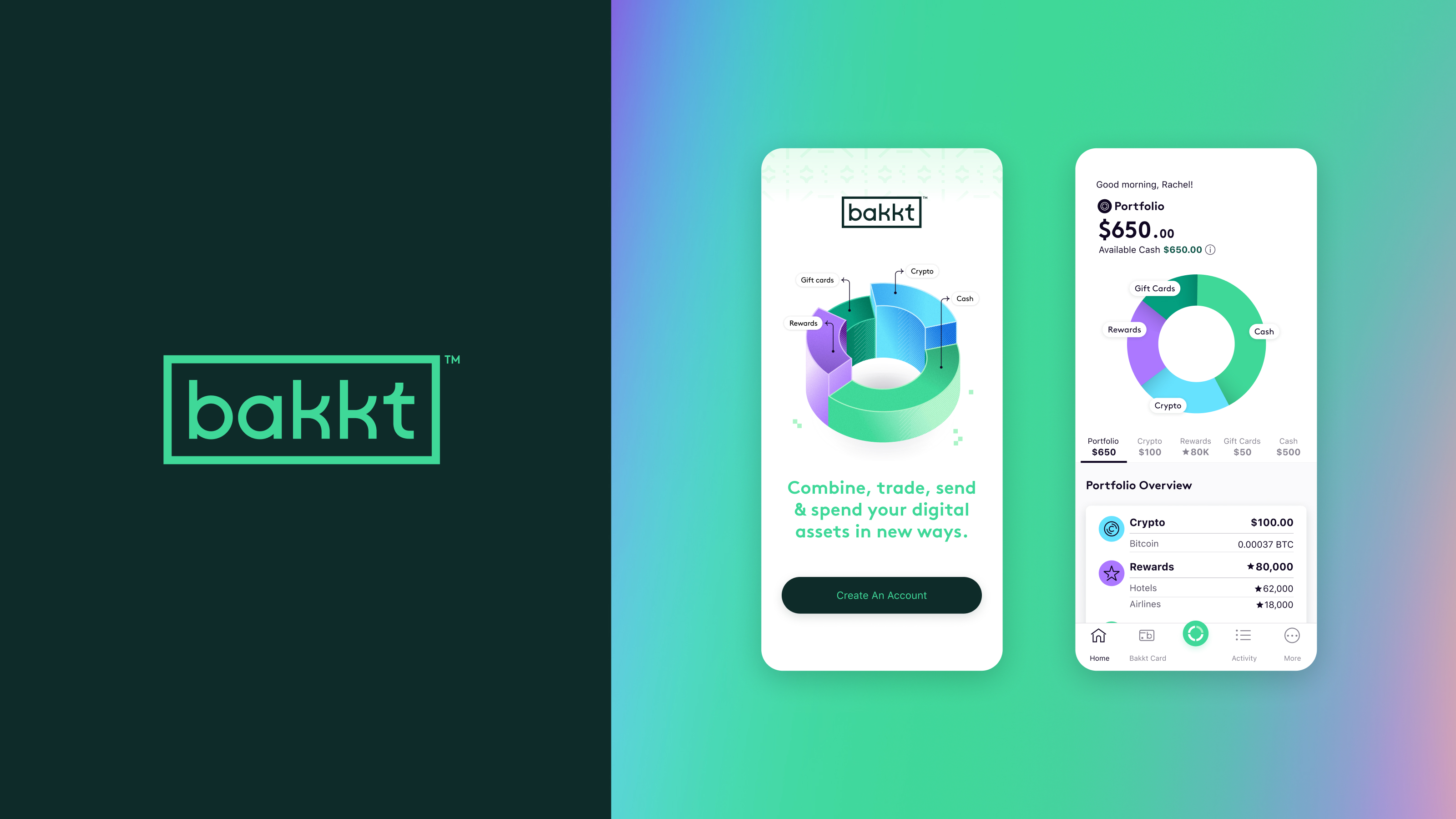
“Paloma has been a fantastic partner to Bakkt, that truly feels like an extension of our internal team. Their strong thought leadership, great execution, and focus on the user experience has helped set up the Bakkt platform for continued growth.”

Nicolas Cabrera
Chief Product Officer at Bakkt